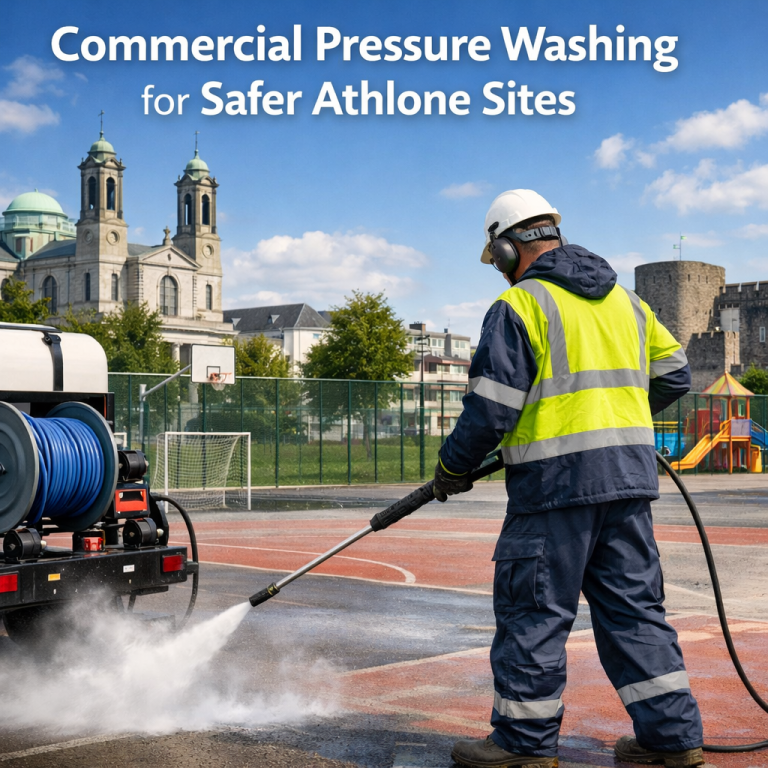
Keeping a commercial property clean is about far more than appearance. In Athlone and the surrounding areas, business owners and facility managers deal with wet weather, foot traffic, algae growth, road grime, and seasonal debris that can quickly turn entrances, yards, walkways, and loading areas into slip hazards. That is why commercial pressure washing has become an important part of site safety and maintenance planning.
This guide looks at commercial pressure washing for safer business premises in Athlone, with a focus on risk reduction, regular upkeep, and practical decision-making. Whether you manage a retail unit near the town centre, an industrial site on the outskirts, a hotel car park, or a medical clinic entrance, understanding how exterior cleaning supports safety can help you protect visitors, staff, and your reputation.
Why Safety Is a Major Reason to Invest in Commercial Pressure Washing
Many people first think of pressure washing as a cosmetic service. While it certainly improves the look of a building, its real value for commercial properties often lies in hazard prevention. Ireland’s climate creates ideal conditions for slippery organic growth, especially on paving, concrete, stone, tarmac, and external steps. In Athlone, with regular rainfall and damp periods through much of the year, surfaces can become dangerous faster than many businesses expect.
Algae, moss, lichen, oil residue, chewing gum, food spills, and general dirt can all contribute to an unsafe exterior. A car park entrance that looks only slightly dirty may actually have reduced grip underfoot. A bin storage area with built-up residue can become both slippery and unhygienic. Even a neglected pathway leading to a reception door can create a poor first impression while increasing the chance of an accident.
Commercial pressure washing helps remove these layers of contamination before they become a larger problem. For many sites, it is not a once-off job but part of a wider safety and facilities management strategy.
Common High-Risk Areas Around Commercial Premises
Not all outdoor surfaces carry the same level of risk. Some parts of a property should be inspected and cleaned more often because they are more exposed to moisture, heavy use, or spillages.
Entrances and Walkways
Main entrances are one of the most important areas to keep clean. Staff, customers, delivery drivers, and visitors all pass through these points every day. If algae or grime builds up, a simple walk into the building can become hazardous, particularly during wet mornings or frosty spells.
Car Parks and Drop-Off Zones
Commercial car parks collect oil drips, tyre marks, leaves, and standing dirt. In retail, hospitality, and healthcare settings, these spaces shape the first impression of the property. Clean surfaces improve both safety and presentation.
Service Yards and Loading Bays
These areas often face heavy traffic from vans, lorries, pallets, and waste handling. Dirt, grease, and packaging residue can gather quickly. Regular pressure washing can support a safer working environment and improve general housekeeping standards.
Outdoor Dining and Hospitality Areas
Restaurants, cafés, pubs, and hotels in and around Athlone often have exterior seating or paved spaces. Spilled drinks, food residue, and damp weather can create slippery patches, especially in shaded corners.
Bin Stores and Rear Access Routes
These are easy to overlook, yet they can become some of the dirtiest parts of a site. Pressure washing helps control grime and can make day-to-day operations cleaner and safer for staff.
How Athlone’s Climate Affects Exterior Surfaces
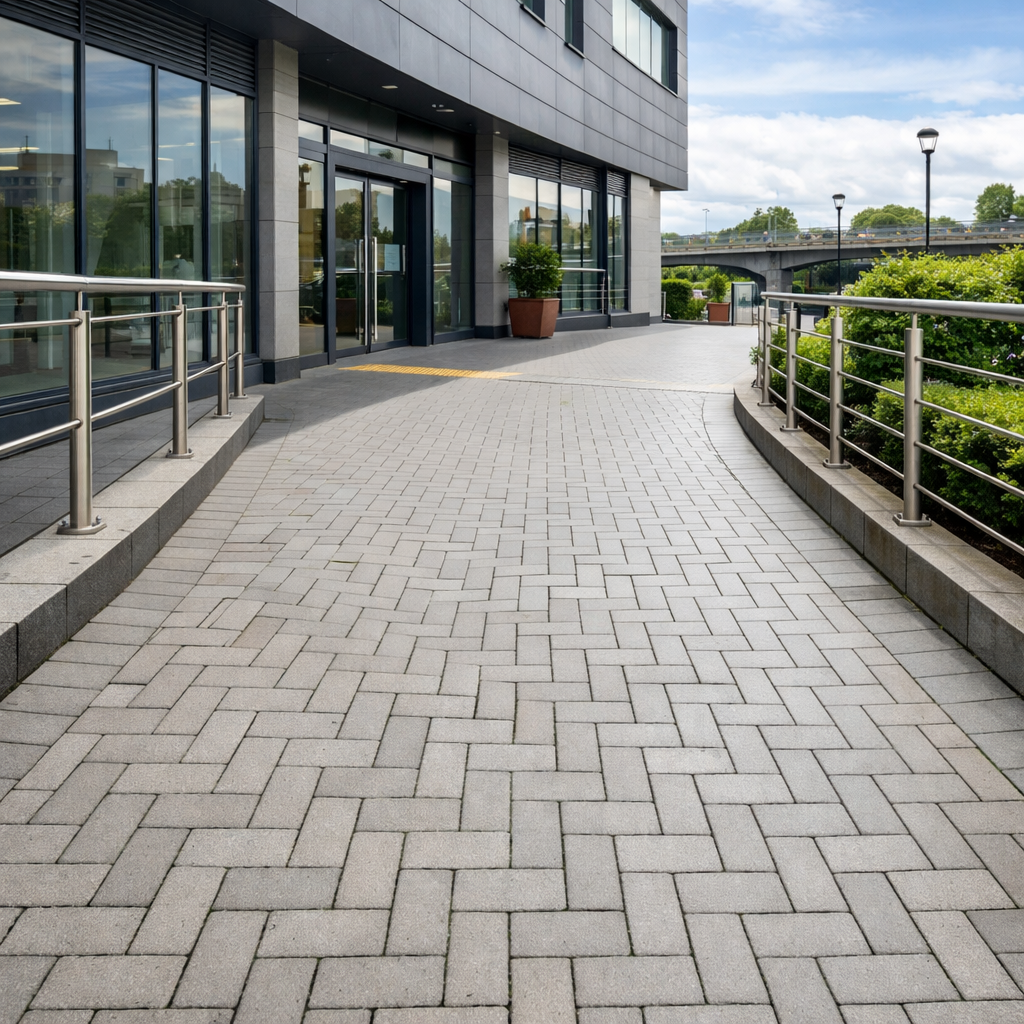
Businesses in Athlone deal with a mix of damp weather, leaf fall, traffic pollution, and seasonal growth. Even newer properties can develop dirty and slippery exterior surfaces surprisingly quickly. North-facing walls, shaded footpaths, and sheltered corners are especially prone to green staining and moss build-up.
For example, a pharmacy entrance that receives little direct sun may retain moisture for longer than the rest of the property. A hotel side path near planting beds may collect leaf litter and algae. An industrial unit near a busy road may gather grime and residue from passing traffic. These local conditions affect how often commercial pressure washing is needed.
That is why a one-size-fits-all approach rarely works. A business with a large tarmac car park and daily vehicle movements may need more regular cleaning than a smaller office block with limited exterior traffic. The right schedule depends on the property type, use, drainage, surrounding trees, and surface material.
Safety Benefits Beyond Slip Prevention
Reducing slip risk is the most obvious advantage, but it is not the only one. Commercial pressure washing can contribute to wider site safety in several practical ways.
Improved Visibility of Ground Markings
Clean surfaces make painted lines, directional arrows, loading bay markings, and pedestrian routes easier to see. This matters in car parks, logistics yards, schools, and medical facilities where clear navigation supports safer movement.
Better Drainage Performance
Built-up dirt, leaves, and sludge can interfere with proper drainage. Clearing surface contamination helps reduce standing water, which can otherwise add to slip hazards and surface wear.
Cleaner Access for Staff and Deliveries
Rear entrances, fire escape routes, and delivery access points need to remain usable and safe. Exterior cleaning supports these operational areas, not just customer-facing spaces.
Early Identification of Surface Problems
When dirt and biological growth are removed, underlying issues become easier to spot. Cracks, broken joints, worn paving, pooling areas, and damaged coatings are often more visible after a professional clean. That gives property managers a better chance to address maintenance issues early.
Which Commercial Properties Benefit Most?
Almost every type of business premises can benefit from pressure washing, but some properties have a particularly strong need for regular exterior cleaning.
- Retail parks and shops: Heavy footfall and customer visibility make clean entrances essential.
- Hotels and hospitality venues: Presentation and guest safety go hand in hand.
- Healthcare facilities: Reliable access and cleanliness matter at all times.
- Schools and childcare premises: Safe walkways and play-adjacent surfaces are a priority.
- Industrial and warehouse sites: Service yards and loading areas collect grime quickly.
- Office blocks and business parks: Clean common areas reflect professional standards.
- Apartment developments and managed properties: Shared entrances, bins areas, and pathways need routine upkeep.
Practical Examples from Commercial Settings
To see the value of this more clearly, it helps to think in real-world terms.
Example 1: A café near a busy Athlone street
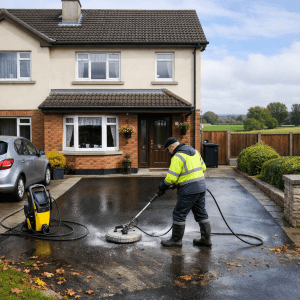
A small café has a paved front area that becomes discoloured from rain, foot traffic, and spilled drinks. During autumn, damp leaves gather near the entrance. A scheduled pressure washing service every few months keeps the paving cleaner, improves grip, and helps the business maintain a tidy, welcoming appearance.
Example 2: A medical practice with elderly visitors
A clinic with a short exterior path and accessible parking spaces cannot afford slippery surfaces. Because some visitors have reduced mobility, even mild algae build-up can become a serious concern. Regular exterior cleaning supports safer access throughout the year.
Example 3: An industrial unit with loading activity
A warehouse on the outskirts of Athlone sees regular forklift and van traffic in its yard. Dirt, pallet debris, and vehicle residue build up over time. Pressure washing the yard and service areas helps maintain safer conditions for day-to-day operations.
When to Schedule Commercial Pressure Washing
Timing matters. While some businesses book cleaning only when the property starts to look dirty, planned maintenance usually delivers better long-term results.
Spring
Spring is a popular time to remove winter grime, moss, and algae. It is ideal for refreshing entrances, car parks, and paved areas after months of wet conditions.
Summer
Summer can be useful for hospitality premises, retail parks, and customer-facing businesses that want exterior areas looking their best during busier periods.
Autumn
Autumn is important for leaf management and early prevention of slippery build-up before winter sets in. This is especially relevant for properties with trees nearby.
Winter Preparation
Before the coldest months, cleaning can help reduce grime and standing residue that may become more hazardous in icy or persistently wet conditions.
For some sites, quarterly cleaning works well. Others may need a tailored schedule based on traffic levels and the nature of the property.
Expert Tips for Businesses Choosing a Commercial Pressure Washing Service
If you are arranging commercial pressure washing in Athlone, it is worth taking a careful approach. The cheapest option is not always the best, especially for large or safety-sensitive sites.
Ask About Surface Experience
Different materials require different methods. Concrete, natural stone, paving blocks, render, and tarmac all need suitable cleaning techniques. Incorrect pressure can damage surfaces rather than improve them.
Look for a Site-Specific Plan
A professional provider should assess the property layout, drainage, access needs, contamination levels, and operational hours before starting work.
Consider Minimal Disruption
Commercial cleaning often needs to fit around opening hours, deliveries, or peak visitor times. Early morning, evening, or phased cleaning may be the best solution for busy premises.
Think Beyond Appearance
Ask which areas are most likely to present safety issues. A good contractor will not only focus on what looks dirty but also on what could cause practical problems if left untreated.
Build It Into Ongoing Maintenance
Rather than waiting for surfaces to become heavily soiled, include pressure washing in your planned property maintenance. This usually helps control long-term cleaning needs and keeps standards more consistent.
Frequently Asked Questions
1. How often should a commercial property in Athlone be pressure washed?
It depends on the type of business, footfall, traffic, and exposure to moisture or debris. Many sites benefit from cleaning every three to six months, while high-traffic premises may need more frequent attention.
2. Is commercial pressure washing only for large buildings?
No. Small shops, clinics, cafés, apartment developments, and office units can all benefit. Even a modest entrance area can become slippery or look neglected if not maintained.
3. Can pressure washing help reduce slip hazards?
Yes. Removing algae, moss, grime, oil residue, and dirt can improve grip and reduce the risk of slips on many exterior surfaces.
4. What areas around a business should be prioritised?
Focus first on entrances, walkways, ramps, car parks, loading zones, outdoor seating areas, and any place where moisture or spillages build up regularly.
5. Does pressure washing damage commercial surfaces?
When carried out properly, it should be matched to the surface type and condition. Professional assessment is important because using the wrong pressure or method can cause unnecessary wear.
Short Summary
For businesses in Athlone, commercial pressure washing is not just about making a property look better. It is a practical way to support safety, reduce slip risks, maintain professional standards, and keep busy exterior areas in good condition. From retail entrances and hotel forecourts to clinics, warehouses, and managed developments, regular exterior cleaning can make a noticeable difference. A planned approach, tailored to the site, is often the smartest way to keep commercial premises safer and more presentable year-round.
Conclusion
If you manage or own a commercial property in Athlone, exterior cleaning deserves a place in your maintenance planning. Slippery paths, stained paving, dirty service yards, and neglected access areas can affect safety, appearance, and daily operations. Commercial pressure washing offers a straightforward way to tackle these issues before they grow into larger concerns.
By focusing on high-risk areas, scheduling cleaning at sensible times of year, and choosing a service that understands commercial sites, businesses can protect both people and property. In a town where weather and usage can quickly take a toll on exterior surfaces, regular cleaning is a smart and practical investment.